Watch Trailer
In partnership with Picture Palace Pictures, Now Instant presents Luiz Fernando Carvalho's 2001 feature To the Left of the Father.
The film's presentation will be followed by a Q&A with Carvalho moderated by writer, curator, and critic Carlos Valladares.
This program is presented with special thanks to Madeleine Molyneaux
To the Left of the Father
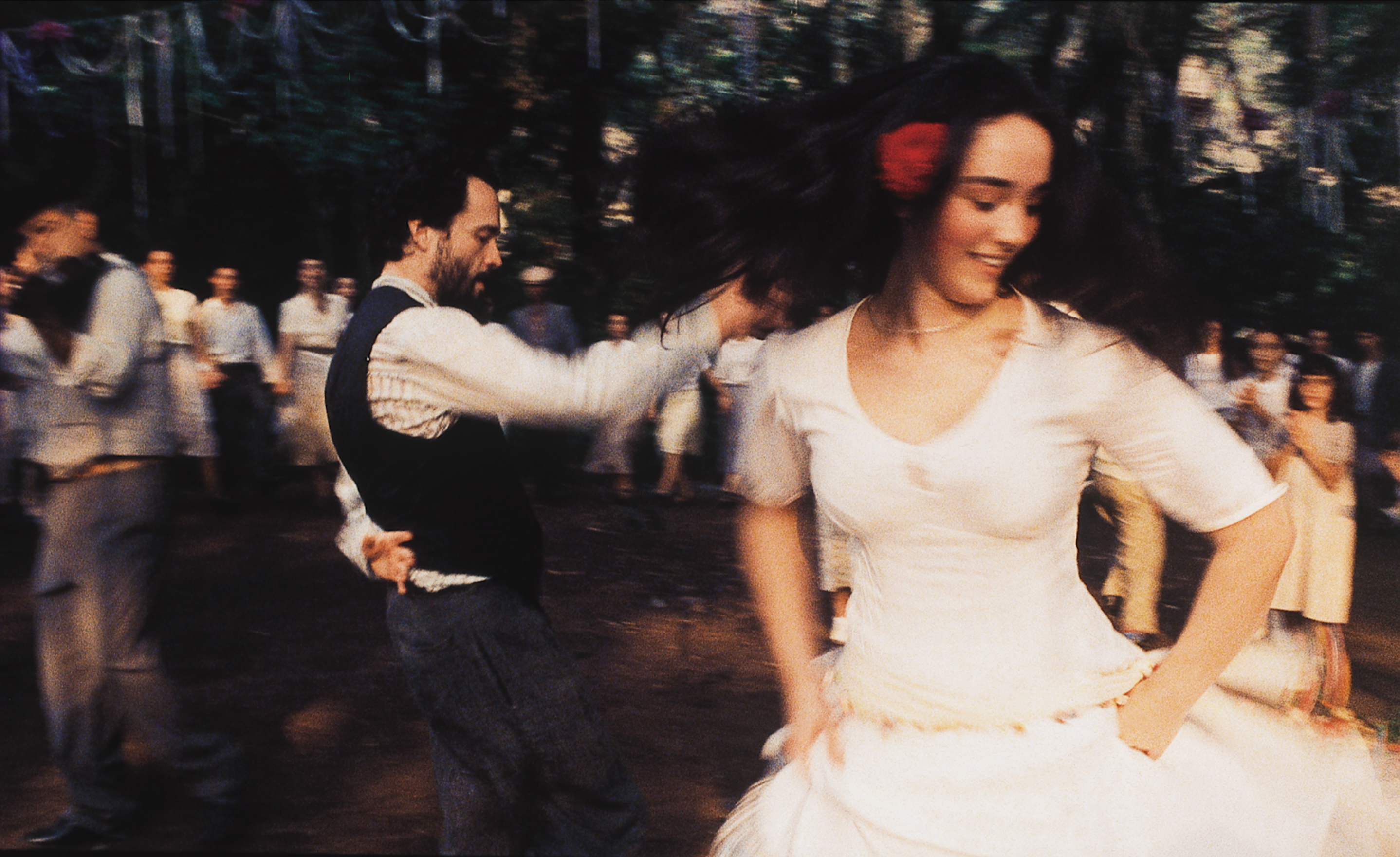
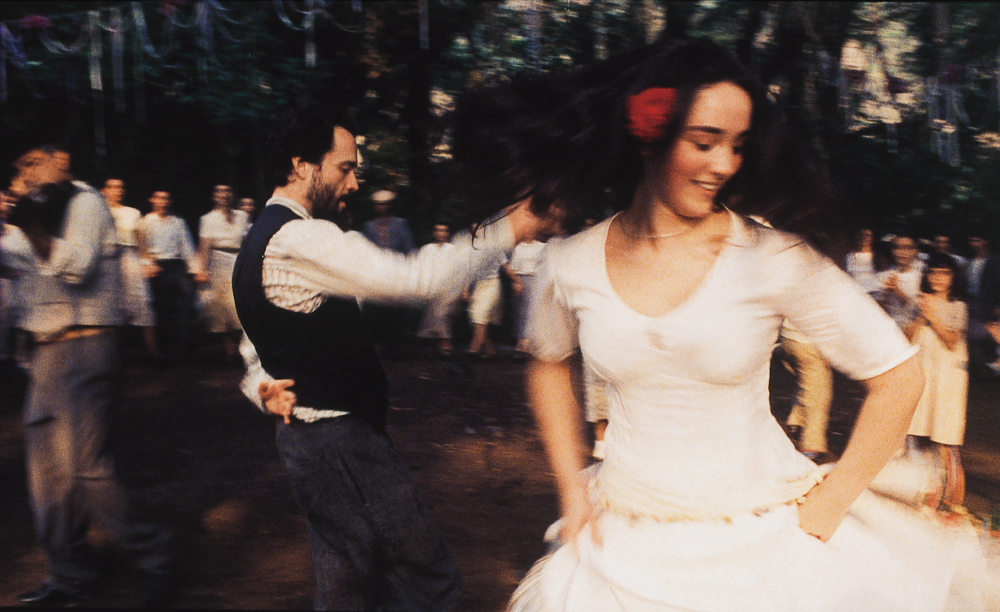
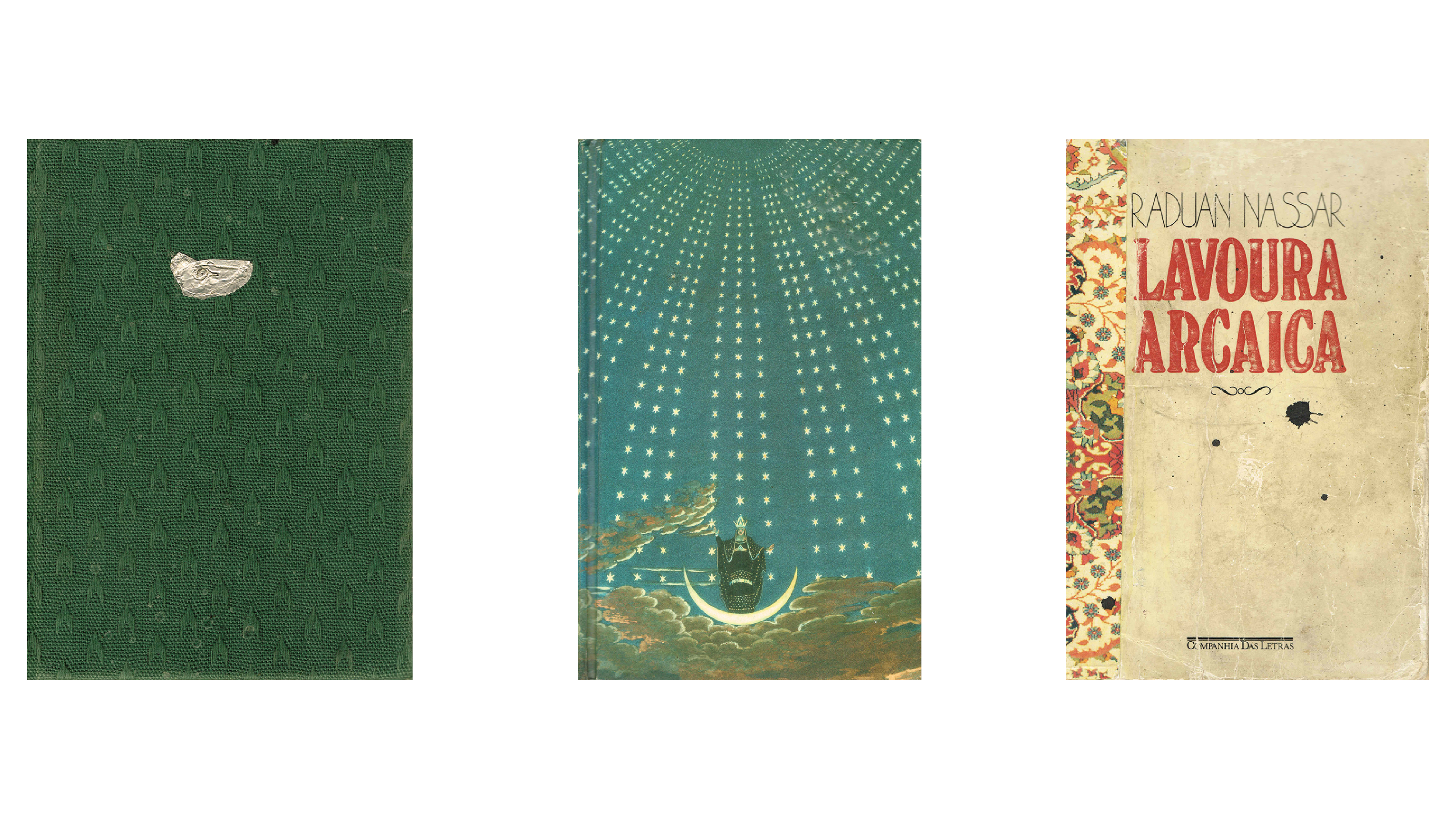
Based on the romance written by Raduan Nassar about a Lebanese family living in Brazil’s inland, the movie is a backwards version of the parable of the prodigal son. André is an unattached son, who left family and home due to severe paternal laws and suffocating maternal affection and love. Pedro, his older brother, received from his mother the mission to bring André back home.
The appearance of the brother causes André to remember moments he lived with his family since childhood and the reasons that led him to leave home: rigid and repressive morals of the father and the relationship with an excessive tendering mother. Against his father’s sermons, André celebrates life, sex and freedom. There is also an even dire motive: the incestuous relationship between André and his sister Ana. André agrees to go back home with his brother, but such decision will shake the very foundations of the family.
Film appears courtesy LFC Produções, Brazil
“The big landscapes have, all of them, a visionary character. The vision depicts the invisible becoming visible… the landscape is invisible because the more we conquer, the more we are lost in it”
- Paul Cézanne
"My motivation in filmmaking is the passage from one state to another. Every instant, preparing the spectator as a painter chooses and mixes its colors, or as a musician, or a shaman gathering its leaves to later extract a set of sensations. We can only move from one state to another if this set of sensations is reached. We only overcome the mere technical construction of a movie if we are capable of generating a dream, with such strength that it contaminates the dark of the theater as a plague. It is thus necessary to create a state of violence, transformation, imagination.
But fabulation requires from us one action: to offer ourselves. To march with the courage of belonging to the unknown, to the screen still white. It is necessary to become, free life where it is imprisoned or, at least, embrace this uncertain combat in search of vision, retracing paths, entering our landscape and of others. The resulting fruit of all this need is language. In addition of founding the narrative, language is also the instrument that, with its rigor, disrupts another rigor, the one related to truths once considered irremovable. Language is the same thing as need.
Nowadays, imagination is sentenced to death on a daily basis, as if the exercise of imagining had the same meaning of imposing a way of expression to reality. Imagining causes fear, as it is an act of freedom, transgression, citizenship, in other words, a dangerous act. Well, cinema, as any other creation, is incomplete, striving to become whole, in search of the perfect moment to place itself, face-to-face, imaginary of both creators and spectators. Thus, filming is imagining to the point of making changes without formulas, models, clichés – first and foremost! Imagining to the point of finding an image that is no longer possible to distinguish the creator from the creation, the actor from the character, the cinema from life itself."
-Luiz Fernando Carvalho
Please note: seating is limited. Box Office opens thirty minutes prior to the listed showtime. Guests may add their name to the standby list upon arrival. Online ticket sales will be honored up until 15 minutes after the scheduled showtime; at that time, any unclaimed seats will be released for in-store purchase on a first-come, first-served basis. All Sales Final.