Mezzanine and Now Instant present the Los Angeles premiere of the restoration of Trás-os-Montes by the singular Portuguese husband-and-wife team António Reis & Margarida Cordeiro, a poet and a psychiatrist whose beautiful collaborations were a major influence on their contemporaries, including Manoel de Oliveira and their student Pedro Costa.
“Largely unknown outside Portugal, filmmakers António Reis (1927-1991) and Margarida Cordeiro (b. 1939) are legendary figures in their native country. Reis was a poet, a folklorist, and an ethnographer; Cordeiro, a psychiatrist by trade. Across the four films they made together, the duo forged a cinema of profound commitment, deeply rooted in the language, labors, myths, dreams, and material realities of a land and a people: namely, the peasants of Trás-os-Montes in Portugal’s remote Northeast. With one foot firmly anchored in the earth and the other in the cosmos, Reis and Cordeiro conjure up the deep, cyclical time of folk tradition. Their films are a collision of the forces of documentary and poetry, fact and fabulation, the ancient and the avant-garde, a vertigo of contradictions at once harmonious and sharply unreconciled. Employing simple and direct means, their work is all the more mystical for being so concrete. ‘Here and nowhere else. Here and anywhere else’—this is the paradoxical space-time of their films, in the words of Serge Daney."
Special thanks to Ed McCarry of Cinema Guild.
Trás-os-Montes
“[The film that] reconciled me with my country and my language.” -Pedro Costa
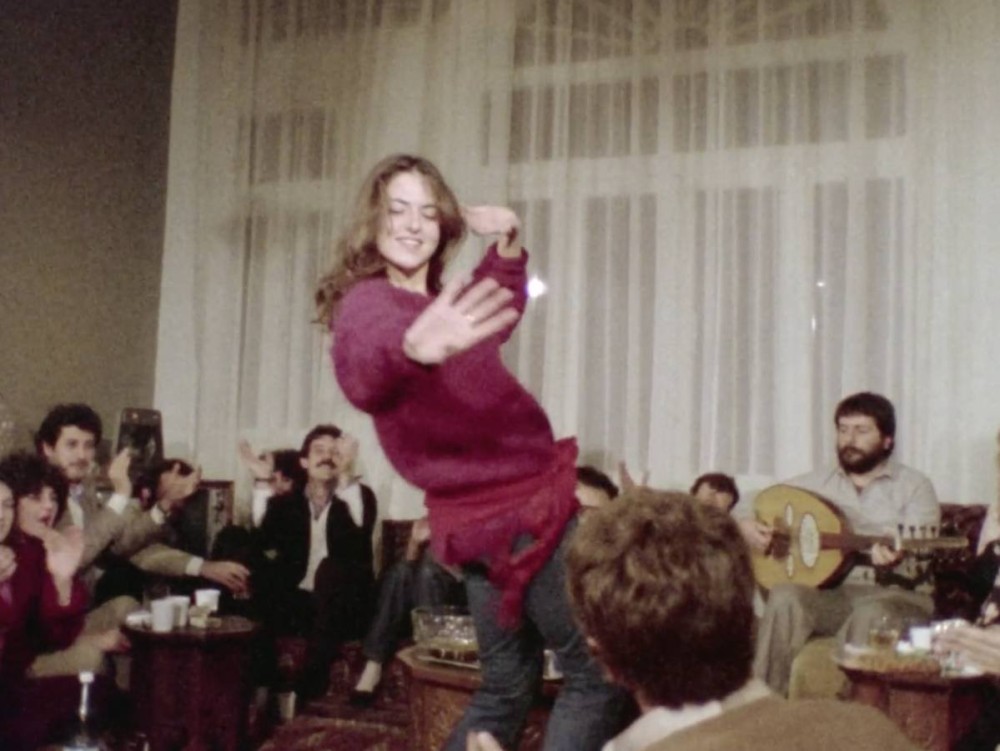
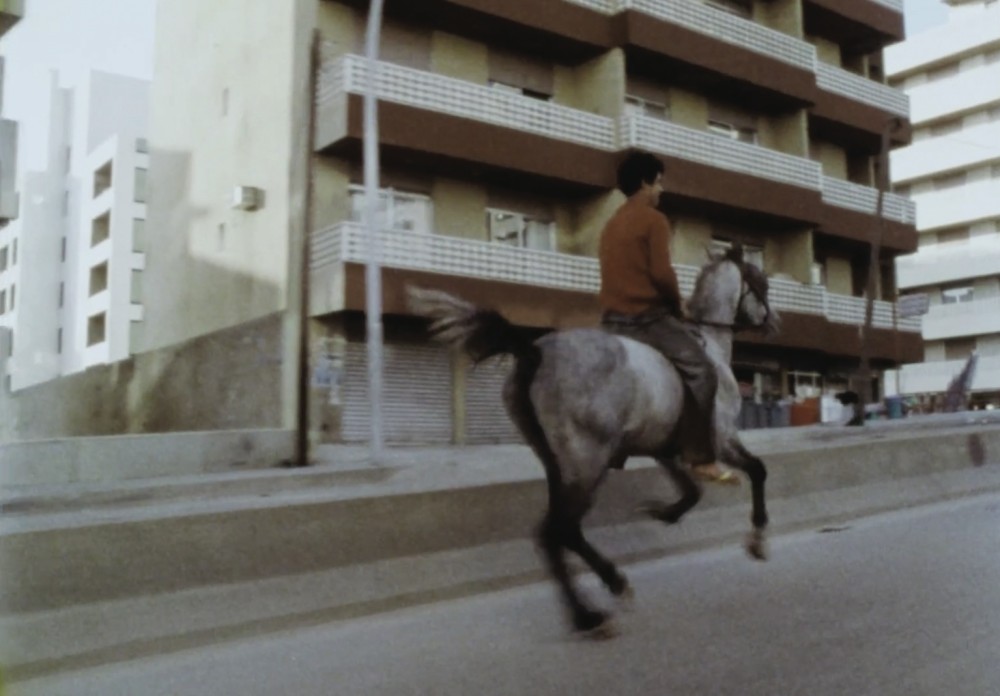
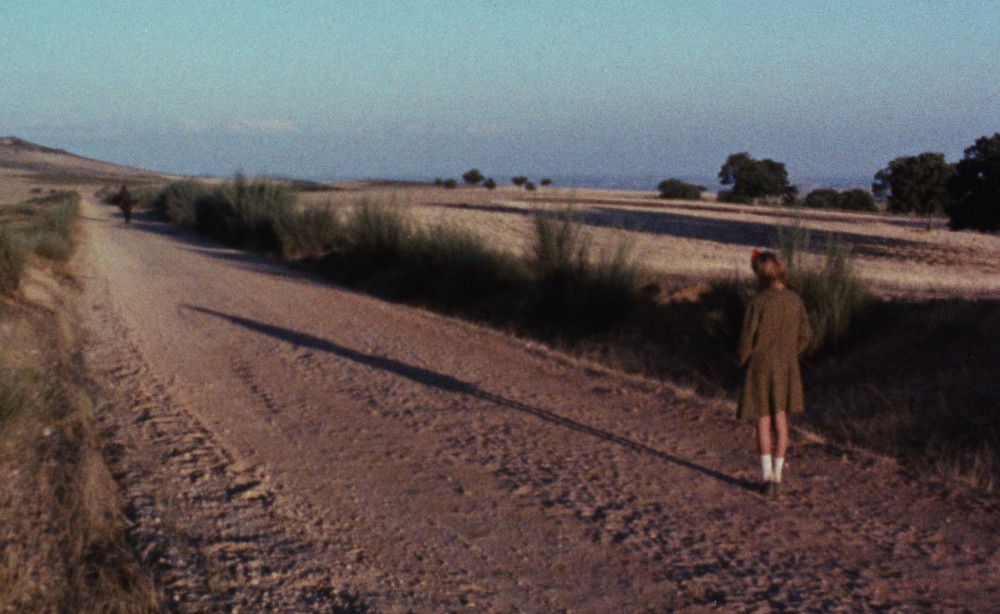
“A film of long shadows and smoke in twilight, Trás-os-Montes is an intensive labor of recollection, an epic of a land and a way of life on the edge of oblivion, and a major turning point in the history of Portuguese cinema. In 1974, filmmakers António Reis and Margarida Cordeiro traveled ten thousand kilometers across the isolated, near-mythical region in the Northeast of Portugal known as Trás-os-Montes. They recruited a cast of inhabitants old and young from local villages to materialize their histories, legends, dreams, and nightmares for the camera. The philosophy of the peasants, their rebellion, their everyday existence far from the laws of church and state, and their closeness to ancient things—these encounters informed the dialectical approach of the film, where fiction and reality, past and future swell in an immediate present. The result is a work of deep and threatened lyricism. In voiceover, Reis and Cordeiro adapt passages from Kafka and the Chinese poet Po Chü-i, translated to the guttural subdialect of the Northeast. As an act of solidarity with a people facing extinction, Trás-os-Montes echoes through time.”
-Cinema Guild
Please note: seating is limited. Box Office opens thirty minutes prior to the listed showtime. Guests may add their name to the standby list upon arrival. Online ticket sales will be honored up until 15 minutes after the scheduled showtime; at that time, any unclaimed seats will be released for in-store purchase on a first-come, first-served basis. All Sales Final.